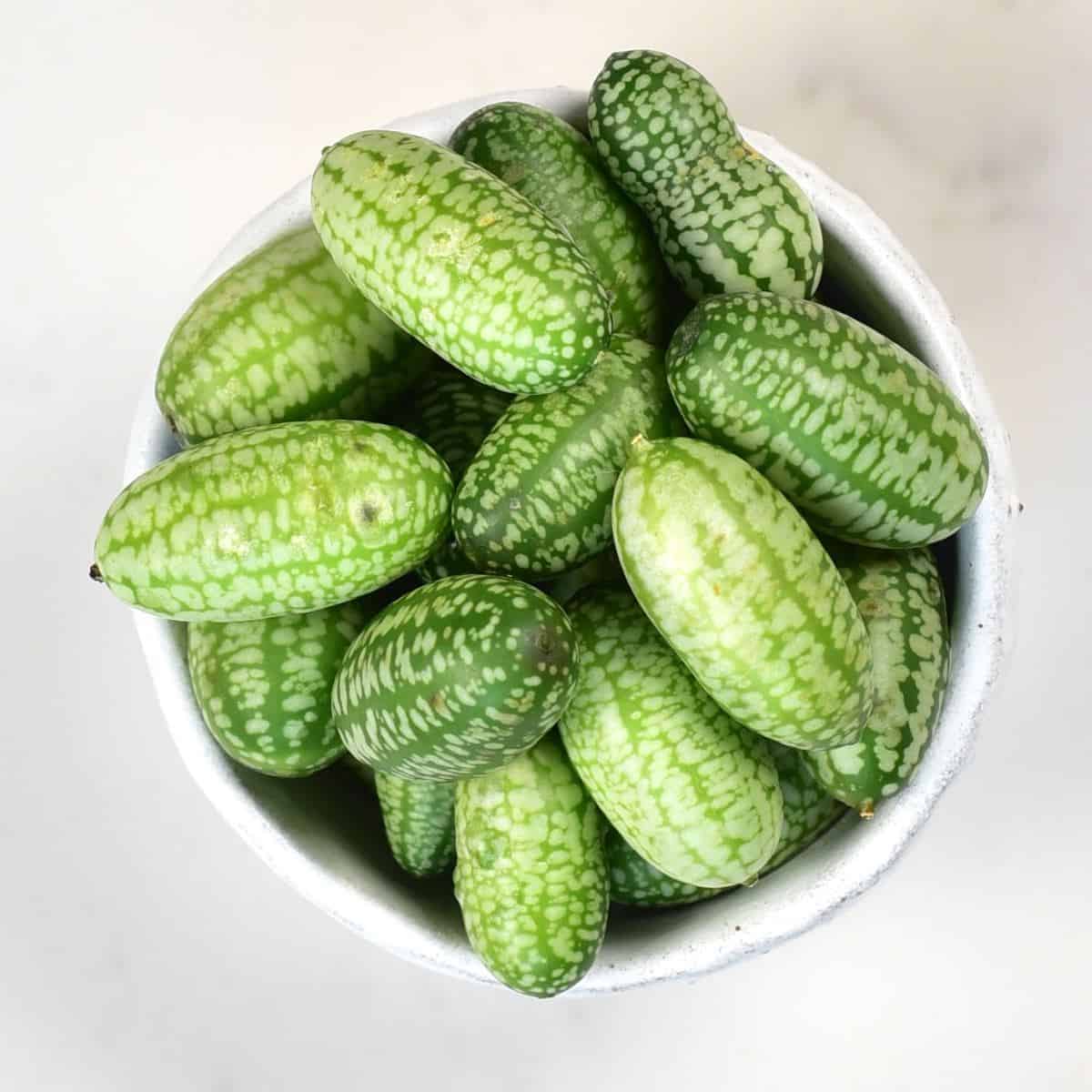
Cucamelon Uses: From Tangy Snacks to Refreshing Cocktail Twists
Have you ever scrolled through your social feeds and spotted adorable, miniature watermelon-looking fruits that instantly sparked your curiosity? Chances are, you’ve encountered the delightful cucamelon. These charming, grape-sized berries have captivated gardeners and foodies alike with their whimsical appearance and refreshingly crisp taste. If you're looking for
a quick guide to cucamelon berries that goes beyond the basics, you’re in the right place. We’ll dive deep into their unique characteristics, how to cultivate them, and a plethora of creative ways to incorporate them into your culinary repertoire – from simple, tangy snacks to sophisticated cocktail twists.
What Exactly Are Cucamelons?
Before we explore their many applications, let’s get acquainted with this intriguing fruit.
Beyond the Buzz: Unpacking the Cucamelon
Often referred to by a myriad of charming names like
mouse melon (Sandia de ratón),
little watermelon (sandita),
Mexican sour gherkin, or
Mexican sour cucumber, the cucamelon is scientifically known as
Melothria scabra. Native to Mexico, this small fruit is a natural (non-GMO) wonder.
Visually, they are a true conversation starter. Their exterior perfectly mimics a miniature watermelon, complete with the characteristic striped rind. However, don't let their appearance fool you; despite the "melon" in their name, cucamelons are actually a distinct species within the cucumber family. Their internal texture is firm and crisp, akin to a cucumber, rather than the juicy flesh of a watermelon. This unique combination makes them a fascinating addition to any garden or plate. For a deeper dive into their origins and nomenclature, explore our comprehensive resource:
Meet the Cucamelon: Your Guide to the Adorable Mexican Sour Gherkin.
The Unique Flavor Profile: A Zesty Revelation
The taste of a cucamelon is arguably its most captivating attribute. Imagine the crisp, refreshing essence of a cucumber, but with a vibrant, tangy kick of lime or lemon juice. That’s precisely what you get with a cucamelon. Many describe it as if a cucumber had been perfectly soaked in lime, imparting a delightful, zesty zing without being overly sour.
While their "sour cucumber" moniker might suggest an intense tartness, the flavor is actually balanced – fresh, invigorating, and pleasantly acidic, making them incredibly moreish. Their crisp texture adds to the overall experience, providing a satisfying snap with every bite.
Cultivating and Caring for Cucamelons
Part of the cucamelon's growing popularity stems from how incredibly easy they are to grow, even for novice gardeners.
A Gardener's Delight: Easy to Grow
Cucamelon plants are remarkably resilient and undemanding. They boast a natural resistance to many common garden pests, meaning less hassle for you. Furthermore, these robust vines thrive in a variety of conditions, tolerating drought, hot weather, and even cooler climates, provided they receive ample sunshine. They take just a few months to mature and don't require vast amounts of space, making them ideal for container gardening or smaller plots. The vines can grow quite long, sometimes reaching up to 10 feet, offering a bountiful harvest.
A fantastic tip for seasoned growers looking for an even bigger yield: save and store the plant's tubers at the end of the season. This clever trick can lead to more prolific plants in subsequent years! If you’re inspired to grow your own, our guide offers invaluable insights:
Grow Cucamelons: Simple Steps for a Bountiful Harvest.
Finding and Storing Your Mini Treasures
While their popularity is on the rise, cucamelons aren't yet a staple in most mainstream supermarkets. Your best bet for finding fresh cucamelons is often at local farmers' markets or independent specialty stores during the growing season. Of course, the most rewarding way to secure a steady supply is to grow them yourself! Seeds and grow-your-own kits are readily available online and at garden centers.
Storing cucamelons is straightforward. For optimal crispness, treat them like cucumbers and store them in the refrigerator. However, they are quite forgiving and can also be kept at room temperature for an extended period. You'll know when they're past their prime as they begin to shrivel and lose their characteristic crunch. Even then, they still have utility – don't discard them! Softened cucamelons are perfect for infusing water or adding subtle flavor to alcoholic drinks.
Unleashing the Culinary Potential: Diverse Cucamelon Uses
Now for the exciting part – how to enjoy these miniature marvels! Their versatility in the kitchen is truly impressive, offering both visual appeal and a burst of unique flavor.
- Eaten as a Snack: The simplest and often most delightful way to enjoy cucamelons is to pop them directly into your mouth. Their crisp texture and refreshing, tangy flavor make them an irresistible standalone snack, perfect for a quick pick-me-up or healthy indulgence.
- Elevate Platters and Crudités: Serve whole cucamelons as part of an elegant crudité platter alongside various dips like hummus or muhammara. Their unique look instantly upgrades the presentation. They also pair wonderfully with artisanal cheeses and cured meats on a charcuterie board, offering a zesty counterpoint to rich flavors.
- Brighten Up Salads: Cucamelons are a fantastic addition to almost any salad. Their refreshing crunch and subtle tang can transform a simple green salad into something special. Slice them, halve them, or toss them in whole for an unexpected burst of flavor in spinach and strawberry salads, quinoa salads, or even pasta salads. They add both visual interest and a delightful textural contrast.
- Salsa with a Twist: Finely diced cucamelons can be a game-changer in your favorite salsa recipes. Imagine them adding a zesty kick to a fresh watermelon salsa or a traditional tomato-based blend. Their firm texture holds up well, and their unique flavor profile introduces an exciting dimension.
- Pickling Perfection: Due to their petite size, cucamelons are ideal for pickling whole. Follow any standard quick pickle recipe, and you’ll create gourmet pickled gherkins that are perfect for sandwiches, burgers, or as a vibrant side dish. Their natural tang is amplified by the pickling process, resulting in a delightfully crisp and sour treat.
- Refreshing Cocktail Twists: Move over, olives! Cucamelons make a sophisticated and surprising garnish for cocktails. Use them in place of an olive in a martini for a fresh, zesty note, or skewer a few to adorn a gin and tonic, Bloody Mary, or vodka soda. For a more adventurous approach, muddle them into mojitos, gin fizzes, or margaritas for an extra layer of unique flavor. Their visual appeal and subtle tartness make them a perfect fit for a variety of libations, including decorative drinks like simple color-changing lemonades.
- Infused Water Recipes: For a subtle and hydrating treat, slice up some cucamelons and add them to your water jug. Combined with other fruits like lemon or berries, they contribute a delicate, refreshing flavor that encourages increased water intake. They're also an excellent way to use those slightly shriveled cucamelons that have lost their crispness but still retain their flavor.
Tips for Maximizing Your Cucamelon Experience
To truly make the most of your cucamelons, consider these practical tips:
- No Need to Peel or Deseed: One of the beauties of cucamelons is their low-maintenance preparation. Their skin is tender, and their tiny seeds are practically unnoticeable, so there's no need for peeling or deseeding. A quick rinse under cold water is all they need.
- Creative Pairings: Experiment with flavors that complement the cucamelon’s unique profile.
- Herbs: Fresh mint, basil, and dill enhance their refreshing qualities.
- Cheeses: Feta, goat cheese, and fresh mozzarella create delightful contrasts.
- Fruits: Watermelon, strawberries, and various citrus fruits amplify their zesty notes.
- Proteins: Grilled chicken, delicate white fish, or shrimp can be beautifully accented by their crisp tang.
- Presentation Matters: Whether whole, halved, or thinly sliced, cucamelons add an element of charm and sophistication to any dish or drink. Use them to garnish plates or create colorful patterns in salads.
In conclusion, the cucamelon is far more than just a passing social media trend; it’s a versatile and delightful fruit that deserves a permanent spot in our kitchens and gardens. From its easy-to-grow nature to its distinctive cucumber-lime flavor, it offers an abundance of culinary possibilities. Whether you're enjoying them as a simple, tangy snack, pickling them for a gourmet condiment, or adding them to your favorite cocktails,
a quick guide to cucamelon berries reveals a world of refreshing flavors and creative applications. So go ahead, embrace the charm of these tiny treasures and let them inspire your next culinary adventure!