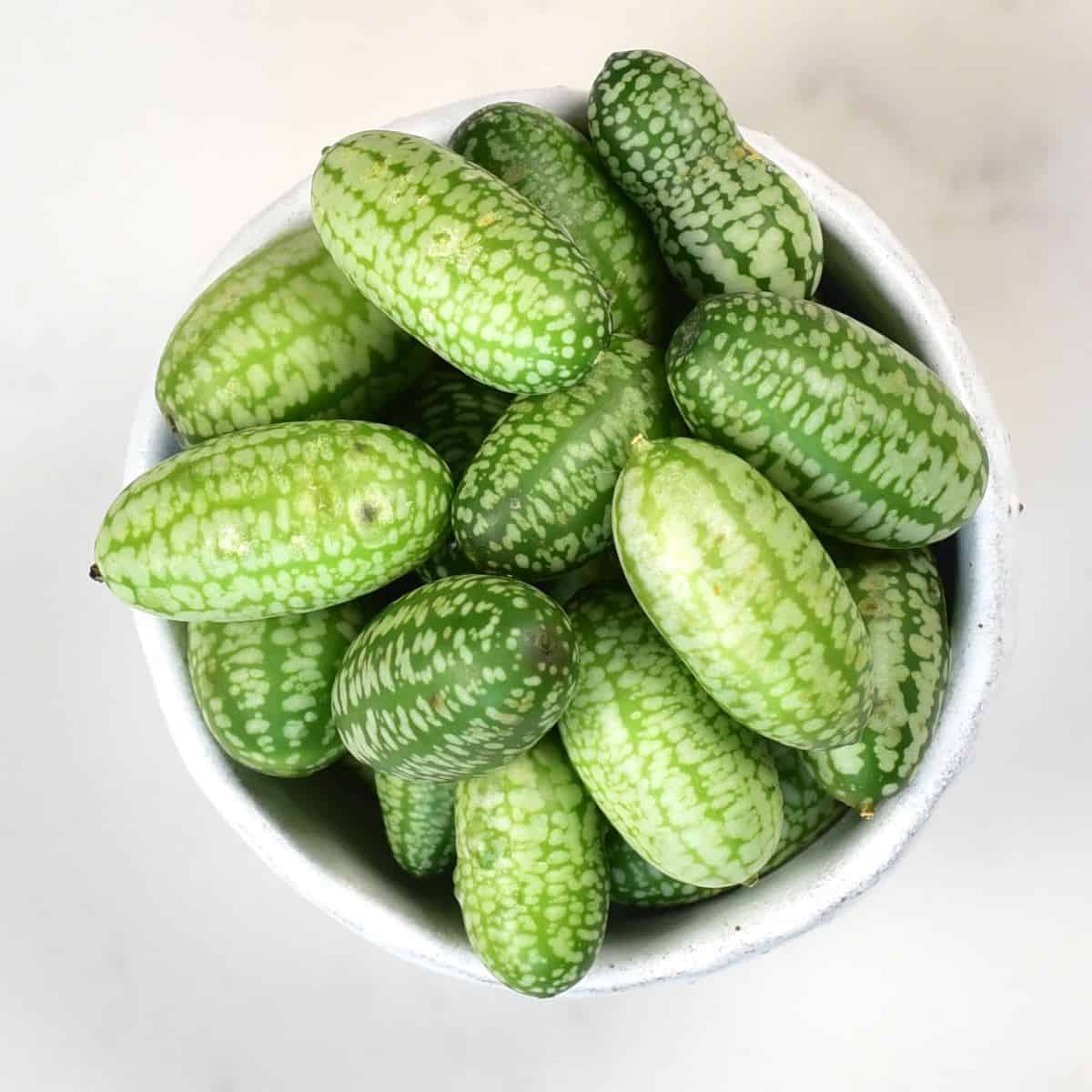
Have you ever stumbled upon a photograph of a tiny, adorable fruit that looks like a miniature watermelon but is clearly not? Chances are, you’ve met the cucamelon! These charming little "berries" are taking the gardening world by storm, not just for their Instagram-worthy appearance, but for their surprisingly refreshing flavor and incredible ease of growth. If you’re looking to add a unique, low-maintenance, and highly rewarding plant to your garden, then embarking on the journey to grow cucamelons is an excellent choice. Get ready to discover simple steps for a bountiful harvest of these delightful garden gems.
What Exactly Are Cucamelons? A Deep Dive into Melothria Scabra
Before we delve into growing them, let's get acquainted with this fascinating fruit. The cucamelon, scientifically known as Melothria scabra, is a small, natural (non-GMO) fruit native to Mexico. Despite its appearance, it’s not a hybrid of a cucumber and a watermelon, but rather a distinct species within the cucumber family. It goes by many charming names, including mouse melon (Sandia de ratón), little watermelon (sandita), Mexican sour gherkin, and Mexican sour cucumber, all hinting at its unique characteristics.
Visually, a cucamelon is about the size of a grape, sporting the classic dark and light green stripes of a watermelon on its exterior. Cut it open, and you'll find a pale green, cucumber-like flesh. But what truly sets it apart is its taste. Many describe the flavor as a crisp cucumber with a zesty twist of lime – a refreshing, slightly tangy, and utterly unique experience. While "sour cucumber" is one of its monikers, they aren't overwhelmingly tart; rather, they offer a pleasant, crisp freshness that wakes up the palate. For more details on this intriguing fruit, be sure to check out Meet the Cucamelon: Your Guide to the Adorable Mexican Sour Gherkin.
Why Grow Cucamelons? The Ultimate Low-Maintenance Crop
Beyond their novelty and delicious flavor, cucamelons are incredibly rewarding to grow, even for novice gardeners. Here’s why they should earn a spot in your garden:
- Remarkable Resilience: Cucamelon plants are surprisingly hardy. They tolerate a range of conditions, thriving in hot weather, showing good drought resistance, and even performing well in cooler climates, provided they receive ample sunshine. This adaptability makes them suitable for a wide array of growing zones.
- Pest Resistance: One of the biggest appeals for organic gardeners is their natural resistance. Cucamelon plants are often ignored by common garden pests that plague other cucurbits, meaning less fuss and fewer chemicals needed for a healthy crop.
- Space Efficiency (with a Twist): While their vines can stretch impressively, sometimes up to 10 feet, cucamelons are perfect for vertical gardening. Training them up a trellis or support system allows you to maximize your garden space, making them ideal for small gardens, patios, or even balconies.
- Quick Turnaround: From seed to harvest, cucamelons typically take just a few months. This quick growth cycle means you won’t have to wait long to enjoy your first harvest.
- Hidden Treasure: The Tuber: In warmer climates (USDA Zones 7 and above), cucamelons can be grown as perennials. At the end of the season, the plant develops a small, potato-like tuber underground. If protected from frost, this tuber can overwinter and sprout new vines the following spring, leading to an even earlier and more abundant harvest. In colder climates, you can dig up and store these tubers indoors, much like dahlias, to replant next year. This is truly the secret to continuous bounty!
Your Step-by-Step Guide to a Bountiful Cucamelon Harvest
Ready to get your hands dirty? Growing cucamelons is straightforward. Follow these steps for a successful and generous harvest of these delightful "berries."
Starting Seeds Indoors or Direct Sowing
Cucamelons can be started indoors to get a head start on the growing season or direct-sown once the danger of frost has passed.
- Indoor Starting: For an earlier harvest, sow seeds indoors 2-4 weeks before your average last frost date. Plant seeds about ½ inch deep in small pots or seed trays filled with a good quality seed-starting mix. Keep the soil consistently moist and provide plenty of light.
- Direct Sowing: Once soil temperatures have warmed to at least 65°F (18°C) and all danger of frost is gone, you can sow seeds directly into your garden beds. Plant seeds about ½ inch deep, spacing them 4-6 inches apart. Thin seedlings to 8-12 inches apart once they have developed a few true leaves.
- Soil Requirements: Cucamelons thrive in well-draining soil that is rich in organic matter. Amend your soil with compost or well-rotted manure before planting to provide essential nutrients.
Choosing the Right Location and Support
The success of your cucamelon crop largely depends on location and support.
- Sunshine is Key: These plants absolutely love the sun! Choose a spot in your garden that receives at least 6-8 hours of direct sunlight per day.
- Trellising is Essential: While cucamelons can sprawl, trellising is highly recommended for several reasons:
- Space Saving: It allows the vines to grow vertically, maximizing your garden footprint.
- Improved Air Circulation: Keeping plants off the ground helps prevent fungal diseases.
- Cleaner Fruit: Your cucamelons will be free from soil splashes and easier to spot.
- Easier Harvesting: No more bending down or searching through dense foliage.
Essential Care for Thriving Vines
Once established, cucamelons are relatively low-maintenance, but a little care goes a long way.
- Watering: Keep the soil consistently moist, especially during hot, dry periods and when the plants are fruiting. Uneven watering can stress the plants and impact fruit development. Aim for deep, infrequent watering rather than shallow, frequent sprinkles.
- Fertilizing: Cucamelons are not heavy feeders. If your soil is rich in organic matter, you might not need to fertilize at all. If growth seems slow or leaves are pale, a balanced organic liquid fertilizer applied every few weeks can boost production. Avoid high-nitrogen fertilizers, which promote leafy growth at the expense of fruit.
- Pest and Disease Management: As mentioned, cucamelons are quite resistant to pests. However, keep an eye out for common garden visitors like aphids or spider mites, especially during dry spells. A strong spray of water can often dislodge them. Ensure good air circulation (aided by trellising) to prevent powdery mildew, which can sometimes affect cucurbits.
Harvesting Your Cucamelon Berries
Harvesting is perhaps the most satisfying part of growing cucamelons!
- When to Harvest: Begin harvesting when the fruits are about the size of a grape, firm to the touch, and have vibrant green and white stripes. Don't let them get too big, as they can lose some of their crispness and flavor.
- How to Harvest: Gently snip the stem with a pair of gardening shears or simply twist the fruit off the vine. Be careful not to damage the delicate vines.
- Encourage More Production: Pick regularly! The more you harvest, the more the plant will produce. This continuous picking keeps the plant productive throughout the summer and into the fall.
Beyond the Garden: Storing and Savoring Your Cucamelon Bounty
Once you’ve gathered your harvest, it’s time to enjoy these versatile little fruits!
Storage Tips for Freshness
Cucamelons are quite robust and store well.
- Refrigerator Storage: For optimal crispness, store cucamelons in the crisper drawer of your refrigerator, much like you would regular cucumbers. They will stay fresh for several weeks this way.
- Room Temperature Storage: They can also be stored at room temperature for a shorter period, usually about a week.
- Signs of Spoilage: You’ll notice they're past their prime when they start to shrivel and lose their characteristic crunch. At this point, they can still be used, but are best reserved for infusing drinks rather than eating fresh.
Creative Culinary Uses
The refreshing and tangy flavor of cucamelons makes them incredibly versatile in the kitchen. For an even deeper dive into how to use your harvest, check out Cucamelon Uses: From Tangy Snacks to Refreshing Cocktail Twists.
- Snack Right Off the Vine: If you enjoy their unique, slightly sour flavor, they are perfect for popping into your mouth as a refreshing snack.
- Pickled Delights: Their small size and crisp texture make them ideal for pickling. Use your favorite quick pickle recipe, just as you would with gherkins, for a tangy treat.
- Salad Sensations: Their crispness and tangy notes are a fantastic addition to any salad, from a simple garden salad to a vibrant fruit salad. They pair beautifully with ingredients like feta cheese, mint, and watermelon.
- Salsas and Dips: Finely chop cucamelons to add a refreshing crunch and zing to homemade salsas, especially fruit-based ones. They also make an excellent accompaniment to hummus or other creamy dips on a crudité platter.
- Cocktail Charms: Replace olives or other garnishes in your favorite cocktails with a cucamelon for a unique, fresh twist. They also infuse beautifully into vodkas or gins.
- Refreshing Beverages: Add sliced or whole cucamelons to pitchers of water for a subtly flavored, hydrating drink. They also pair well with mint, lemon, or berries in infused water recipes.
- Unexpected Culinary Twists: Try quick-sautéing them in a stir-fry for a surprising textural element, or slice them thinly and add them to a sandwich or wrap for an extra layer of crunch and flavor.
Growing cucamelons is truly a delightful experience that offers both visual appeal and culinary versatility. With their ease of cultivation, pest resistance, and unique flavor, these charming "mouse melons" are a must-have for any gardener looking to add something special to their harvest. From seed to snack, following this quick guide to cucamelon berries ensures a bountiful and delicious yield that will impress family and friends alike. So, plant those seeds, enjoy the journey, and prepare for a season filled with these adorable, tangy treats. For more information on what makes these little fruits so special, don't forget to read Meet the Cucamelon: Your Guide to the Adorable Mexican Sour Gherkin.
