Meet the Cucamelon: Your Guide to the Adorable Mexican Sour Gherkin
Scrolling through social media or browsing a local farmers' market, you might have paused at the sight of tiny, grape-sized fruits that look exactly like miniature watermelons. Adorned with delicate stripes and boasting a surprisingly vibrant green, these captivating morsels are none other than the cucamelon. Often referred to as the Mexican sour gherkin, mouse melon, or simply "little watermelon," this charming fruit has been capturing hearts and taste buds with its unique appeal.
More than just a pretty face, the cucamelon offers a refreshing taste experience and surprising ease of cultivation, making it a favorite among home gardeners and food enthusiasts alike. If you've been curious about these delightful little gems, you're in the right place. This article serves as a quick guide to cucamelon berries, exploring what they are, what makes them so special, and how you can enjoy them.
What Exactly is a Cucamelon? Unpacking the Mexican Sour Gherkin
Despite their common nicknames suggesting a blend of cucumber and watermelon, cucamelons are actually a distinct species. Scientifically known as Melothria scabra, they belong to the cucumber family (Cucurbitaceae) but stand apart as their own unique entity. Native to Mexico and Central America, these natural, non-GMO fruits have been a part of local diets for centuries before gaining international popularity.
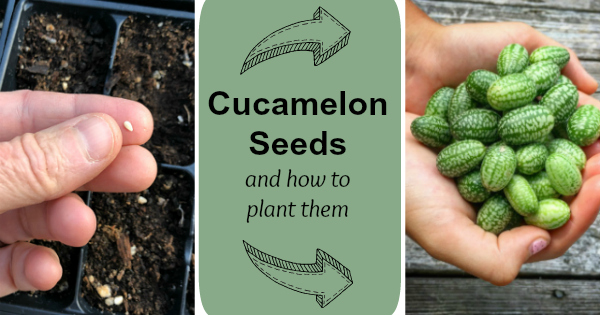
Visually, the cucamelon is a miniature marvel. Picture a perfect tiny watermelon, about the size of a large grape, with a smooth, firm skin and distinctive stripes. Slice one open, and you'll find an interior that closely resembles a cucumber – pale green flesh with small, edible seeds. This fascinating combination has earned them a variety of endearing monikers:
- Mouse Melon (Sandia de ratón): Reflecting their small size.
- Little Watermelon (Sandita): Due to their striking external resemblance.
- Mexican Sour Gherkin: A nod to their origin and tangy flavor profile.
- Mexican Sour Cucumber: Another reference to their taste and internal appearance.
Their heritage and visual charm contribute to their growing allure, but it's the taste that truly seals the deal for many.
The Unique Flavor Profile: What Does a Cucamelon Taste Like?
If the appearance of a cucamelon is a conversation starter, its flavor is a delightful surprise. Many describe the taste as a refreshing blend of cucumber with a zesty, citrusy twist. Imagine the crisp coolness of a cucumber, but with the added brightness of lime juice – a truly invigorating combination that lives up to its "sour gherkin" reputation.
While the name "sour gherkin" might suggest an intense tartness, most people find the cucamelon's sourness to be mild and pleasantly tangy rather than overtly acidic. It's a crisp, fresh flavor that cleanses the palate and leaves a subtle, satisfying zing. The texture is equally appealing; a firm, snappy crunch gives way to a juicy interior, making each bite an enjoyable experience. This distinctive flavor profile makes cucamelons incredibly versatile in the kitchen, as we'll explore shortly.
Growing Your Own & Finding Cucamelons: From Garden to Market
A Gardener's Dream: Cultivating Cucamelons
One of the most appealing aspects of cucamelons, especially for green-thumbed enthusiasts, is how remarkably easy they are to grow. These resilient vines are often ignored by common garden pests, meaning you can enjoy a relatively hands-off growing experience. They thrive in a range of conditions, adapting well to hot weather, drought, and even cooler climates, provided they receive ample sunshine.
From seed to harvest, cucamelons typically take just a few months, and their sprawling vines can sometimes reach an impressive 10 feet in length, producing an abundance of these adorable fruits. They require minimal space for their roots, making them suitable for container gardening or trellises, where their tiny "watermelons" can dangle enticingly. For those looking to maximize their yield, a fantastic tip is to save and store the tubers at the end of the growing season, which can lead to an even bigger harvest the following year.
There's a unique satisfaction in stepping into your garden and plucking these miniature marvels directly from the vine. Their novelty truly never wears off, making them a favorite in households with kids and adults alike. For a detailed guide on how to get started, be sure to check out our comprehensive article on Grow Cucamelons: Simple Steps for a Bountiful Harvest.
Where to Find These Miniature Marvels
While cucamelons are gaining popularity, they might not yet be a staple in your everyday mainstream supermarket. Availability often depends on your geographical location and the season. However, there are a few reliable places to look:
- Farmers' Markets: These are often the best places to find specialty produce like cucamelons, especially during the summer and early fall. Local growers are usually keen to offer unique varieties.
- Independent Grocery Stores: Smaller, independent, or organic food stores may carry them, particularly if they focus on seasonal and local produce.
- Grow-Your-Own Kits & Seeds: If you're eager to try your hand at gardening, buying seeds or a grow-your-own kit is an excellent option. This guarantees a fresh supply and offers the joy of cultivating your own food. Many online seed retailers stock cucamelon seeds.
Don't be discouraged if they're not immediately available; a little searching can often lead you to these delightful fruits.
Storing and Savoring: Making the Most of Your Cucamelon Harvest
Optimal Storage for Freshness
Proper storage is key to extending the life of your cucamelons and enjoying their crisp texture. They can be stored much like regular cucumbers:
- Refrigeration: For the longest shelf life and best crunch, store cucamelons in the refrigerator, ideally in the crisper drawer. This can keep them fresh for several weeks.
- Room Temperature: If you plan to use them within a few days, cucamelons can also be kept at room temperature.
You'll know when your cucamelons are past their prime as they'll start to shrivel and lose their characteristic firmness and crunch. However, even at this stage, they are still useful! Don't toss them; their flavor remains, making them perfect for infusing water or adding a subtle tang to alcoholic beverages.
Creative Culinary Uses: Beyond the Snack
The versatility of cucamelons in the kitchen is one of their most exciting attributes. While delicious eaten straight off the vine as a refreshing snack, their unique flavor and charming appearance lend themselves to a myriad of culinary applications. Here are some of our top picks:
- Pickled Whole: Their small size and tangy flavor make them ideal for pickling, much like traditional gherkins. They absorb flavors beautifully and retain their satisfying crunch.
- Salad Sensations: Their crispness and refreshing taste make them a fantastic addition to almost any salad. Think vibrant greens, berries, and a scattering of halved cucamelons for an unexpected pop of flavor.
- Salsas and Dips: Finely chopped cucamelons can bring a delightful tang and texture to fresh salsas, complementing ingredients like watermelon, tomatoes, or avocados. They can also add a fresh bite to creamy dips.
- Cocktail & Drink Garnishes: Forget the olive! Cucamelons make an excellent, eye-catching garnish for martinis, Bloody Marys, or even non-alcoholic spritzers. Their unique look and subtle flavor elevate any drink.
- Flavored Water: Muddle them lightly with herbs like mint or basil for a subtle, refreshing twist to your everyday water.
- Crudité Platters: Serve them alongside other raw vegetables and an assortment of dips (like hummus or muhammara) for a visually appealing and healthy appetizer. Their novelty always sparks conversation.
From tangy snacks to refreshing cocktail twists, the possibilities are vast. For more inspiring ideas on how to incorporate these delightful fruits into your meals and drinks, explore our dedicated article on Cucamelon Uses: From Tangy Snacks to Refreshing Cocktail Twists.
The cucamelon, or Mexican sour gherkin, is a true garden and culinary gem. Its adorable appearance, refreshing cucumber-lime flavor, and incredible ease of growth make it a standout. Whether you're a seasoned gardener looking for a novel crop or a food adventurer eager to try something new, these charming fruits offer a delightful experience. So, next time you spot these tiny watermelons, don't hesitate to bring some home or, even better, start growing your own and discover the joy of this unique little berry.
